1. Chemical Composition:
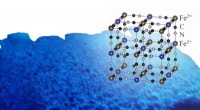
- The chemical composition of a substance, including the elements present and their arrangement, influences its reactivity. For example, the presence of certain functional groups or atoms, such as double bonds, electronegative atoms, or reactive metals, can make a substance more prone to react with others.
2. Chemical Structure:
- The molecular structure of a substance affects its reactivity. Factors such as bond length, bond angles, and molecular geometry influence the accessibility and reactivity of different parts of the molecule. For example, a linear structure may allow for easier access to certain atoms compared to a cyclic structure.
3. Polarity:
- Polarity refers to the distribution of electrical charge within a molecule. Polar molecules have a partial positive and partial negative charge due to differences in electronegativity. Polarity affects the interactions and reactivity of substances with other polar or nonpolar molecules.
4. Functional Groups:
- Functional groups are specific groups of atoms within a molecule that confer characteristic chemical properties. The presence of functional groups, such as hydroxyl (-OH), carboxyl (-COOH), or amino (-NH2) groups, can determine the types of reactions a substance undergoes.
5. Oxidation State:
- The oxidation state of a substance describes the degree of oxidation or reduction of its atoms. Substances with different oxidation states can exhibit different reactivity. For example, an element in a higher oxidation state may be more reactive as it can undergo reduction more readily.
6. Hydrogen Bonding:
- Hydrogen bonding is a dipole-dipole interaction between a hydrogen atom covalently bonded to an electronegative atom (such as N, O, or F) and another electronegative atom. The presence of hydrogen bonding influences the solubility and reactivity of a substance, particularly with polar solvents or substances capable of forming hydrogen bonds.
7. pH:
- The pH of a substance, which measures its acidity or basicity, affects its reactivity. Many chemical reactions are sensitive to the pH of the environment. For example, enzymes, which are biological catalysts, have an optimal pH range at which they exhibit maximum activity.
8. Temperature:
- Temperature influences the kinetic energy of molecules and the frequency of collisions between them. Higher temperatures generally increase the rate of reactions as molecules move faster and have more energy to overcome activation energy barriers.
9. Concentration:
- The concentration of a substance affects its reactivity. In general, higher concentrations lead to a higher probability of collisions between molecules, increasing the rate of reaction.
Understanding these properties of a substance provides insight into its chemical behavior and reactivity when combined with other substances. By considering these properties, chemists can predict and design chemical reactions, develop new materials, and understand various phenomena in the natural world.