ZnCO3 + H2SO4 → ZnSO4 + CO2 + H2O
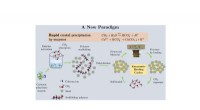
In this reaction, zinc carbonate acts as a base, while sulfuric acid acts as an acid. The reaction can be classified as an acid-base reaction. When the two substances come into contact, the hydrogen ions (H+) from sulfuric acid react with the carbonate ions (CO3^2-) from zinc carbonate, resulting in the formation of water and carbon dioxide gas. Simultaneously, zinc ions (Zn^2+) from zinc carbonate combine with sulfate ions (SO4^2-) from sulfuric acid to form zinc sulfate.
The reaction between zinc carbonate and sulfuric acid is typically carried out in a controlled laboratory setting. The reactants are mixed in specific proportions, and the reaction is allowed to proceed until the zinc carbonate is completely consumed. The products of the reaction, zinc sulfate, carbon dioxide, and water, can be separated and collected using appropriate techniques.
Zinc sulfate is a white, crystalline compound that is soluble in water. It has various applications, such as in fertilizers, electroplating, and as a mordant in dyeing. Carbon dioxide is a colorless, odorless gas that is commonly used in carbonated beverages, fire extinguishers, and as a propellant in aerosol cans. Water, as we know, is an essential compound for life and has numerous uses.