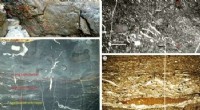
Organic material for coal formation primarily consists of plant matter, particularly terrestrial plant debris such as dead trees, leaves, and other plant parts. These plant materials accumulate in waterlogged environments, such as swamps, marshes, and deltas, where oxygen is limited and decomposition is slowed down. The gradual accumulation of plant material over time leads to the formation of peat, which is a precursor to coal.
Organic Material for Petroleum and Natural Gas Formation:
In contrast to coal, petroleum and natural gas mainly originate from marine organisms. These organisms include microscopic plants (such as algae) and animals (such as zooplankton) that live in ancient oceans and seas. When these organisms die, they sink to the ocean floor and become buried under layers of sediments. Over millions of years, under the influence of high temperatures and pressures, these organic remains undergo chemical changes and transformations that lead to the formation of petroleum and natural gas.
Summary of Key Differences:
- Coal: Derived primarily from terrestrial plant matter accumulated in waterlogged environments.
- Petroleum and Natural Gas: Originate from marine organisms buried in ancient ocean sediments.
- Environmental Conditions: Coal formation typically occurs in freshwater settings like swamps and marshes, while petroleum and natural gas form in marine environments.
- Source Material: Coal is derived from plant matter such as trees and leaves, whereas petroleum and natural gas originate from the remains of marine organisms like algae and zooplankton.