Specific ways in which chemistry affects life include:
Metabolism: Chemistry enables the conversion of nutrients into energy and the synthesis of biomolecules necessary for cell growth, repair, and reproduction. Enzymes, which are protein catalysts, facilitate these chemical reactions.
Respiration: Cellular respiration is a series of chemical reactions that convert glucose into energy in the form of ATP (adenosine triphosphate). Oxygen serves as the final electron acceptor in aerobic respiration, while some organisms use alternative electron acceptors in anaerobic respiration.
Photosynthesis: Photosynthesis is a vital process performed by plants and certain other organisms. It converts light energy from the sun into chemical energy stored in glucose and other organic molecules, using carbon dioxide and water as reactants. This process provides the foundation for the food chain and the release of oxygen into the atmosphere.
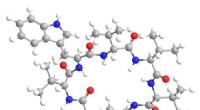
Protein Synthesis: Proteins, which are essential for structure, function, and regulation within cells, are synthesized through chemical reactions known as protein synthesis. This process involves the translation of genetic information from DNA or RNA into a specific sequence of amino acids.
Genetic Material and Inheritance: DNA and RNA, the molecules that store and transmit genetic information, are composed of nucleotides. Nucleotides are organic molecules consisting of a sugar, a phosphate group, and a nitrogenous base. The sequence of these nucleotides along the DNA or RNA molecule encodes the genetic information that is passed on from one generation to the next.
Signal Transduction: Communication and coordination within living organisms rely on chemical signals. These signals can be hormones, neurotransmitters, or other molecules that bind to specific receptors, triggering a cascade of chemical reactions and ultimately leading to a cellular response.
Drug Action: Many drugs and medications work by altering or targeting specific chemical processes or pathways within the body. They can inhibit or activate certain enzymes, bind to receptors, or modify the structure or function of molecules to produce desired therapeutic effects.
Chemical Imbalances and Diseases: Imbalances in chemical levels or malfunctions in biochemical processes can result in various diseases and disorders. For example, diabetes is characterized by dysregulated glucose metabolism, high blood pressure is associated with elevated blood sodium levels, and enzyme deficiencies can cause genetic disorders.
In summary, chemistry is intricately woven into the fabric of life, impacting everything from the smallest cellular processes to the interactions of organisms within ecosystems. It governs the fundamental principles that underlie biological processes and plays a pivotal role in shaping the diversity and functioning of life on Earth.