1. Ionic Dissociation: When salt (sodium chloride, NaCl) is dissolved in water, it dissociates into its individual ions: sodium (Na+) and chloride (Cl-). These ions become free to move within the solution.
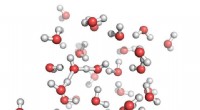
2. Interaction with Water Molecules: The sodium and chloride ions interact with water molecules, forming a layer of hydration around each ion. This layer of water molecules becomes attached to the ions, preventing them from recombining and forming salt crystals.
3. Lowering of Freezing Point: As the salt ions are surrounded by water molecules, they effectively reduce the number of free water molecules available to participate in the formation of ice crystals. This means that a lower temperature is required to freeze the remaining water molecules.
4. Increased Vapor Pressure: The presence of salt ions also increases the vapor pressure of the ice surface. This means that more water molecules are able to escape from the ice into the air.
5. Melting of Ice: The combination of the freezing point depression and increased vapor pressure causes the ice to melt at a lower temperature than it would without salt. The ice near the salt starts to melt first, and the melted water forms a brine solution that continues to melt the ice.
In summary, when salt is added to ice, it dissociates into ions that interact with water molecules, lowering the freezing point of the water. This, combined with increased vapor pressure, causes the ice to melt at a lower temperature.