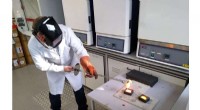
When potassium metal is added to cold water, it reacts vigorously to form potassium hydroxide (KOH) and hydrogen gas (H2). The reaction is highly exothermic, meaning that it releases a large amount of heat. The heat generated can cause the water to boil and splatter, and the hydrogen gas produced can be flammable. Therefore, it is important to handle potassium with caution and to conduct the reaction in a well-ventilated area.
Sodium
In contrast, when sodium metal is added to cold water, the reaction is less vigorous compared to potassium. Sodium also reacts with water to form sodium hydroxide (NaOH) and hydrogen gas, but the reaction proceeds at a slower rate and generates less heat. The hydrogen gas produced is still flammable, so it is still important to take safety precautions when working with sodium.
Here are the key differences in the reactions of potassium and sodium with cold water:
- Reactivity: Potassium reacts more vigorously with cold water compared to sodium.
- Heat generation: The reaction of potassium with water produces more heat than the reaction of sodium with water.
- Reaction rate: The reaction of potassium with water proceeds faster than the reaction of sodium with water.
It is important to note that both potassium and sodium are highly reactive metals and should be handled with care. They should always be stored in a dry environment and away from any sources of moisture to prevent accidental reactions.