Materials Needed:
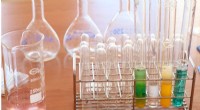
- DPD test kit (usually contains a test vial or container, DPD tablets, and a color chart)
- Fresh pool water sample (collected in a clean container)
Procedure:
1. Collect a Water Sample:
- Rinse a clean test vial or container with pool water.
- Fill the vial with pool water, leaving a small air gap at the top.
2. Prepare the Test Kit:
- Check the expiration date on your DPD reagent and ensure the kit is in good condition.
3. Add the Reagent Tablet:
- Open the DPD tablet bottle and drop one tablet into the water-filled vial.
4. Wait for Dissolution:
- Allow the tablet to completely dissolve and disperse in the water. This may take a few seconds.
5. Swish and Invert:
- Gently swirl the vial to mix the water and the dissolved tablet. Then, invert the vial upside down and back up several times to ensure thorough mixing.
6. Observe Color Change:
- The color of the water sample will change depending on the combined chlorine level.
7. Compare to Color Chart:
- Hold the vial next to the color chart provided in the test kit.
- Match the color of the sample water to the closest color on the chart.
8. Read Combined Chlorine Level:
- The color chart will indicate the corresponding combined chlorine level based on the matching color.
9. Record Results:
- Note down the combined chlorine level you obtain from the test. This value can be compared to the recommended range for your swimming pool.
10. Correct Chlorine Levels:
- If your combined chlorine level is higher than the recommended range, you may need to adjust your pool's chemistry or shock the pool to lower the combined chlorine.
11. Maintain Regular Testing:
- Repeat this combined chlorine test periodically, along with other pool water parameter tests, to ensure proper water balance and swimmer safety.
Remember, it's important to follow the specific instructions provided with your DPD test kit, as different kits may have slightly different procedures. Always handle chemicals safely, and when in doubt, consult a pool professional or refer to your pool equipment manual for guidance.