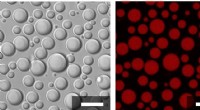
Preparation Martius Yellow is also known as the "Martius Yellow Test". It's a traditional qualitative analysis method used to test for the presence of certain organic compounds, particularly phenols and naphthols. The specific function of ammonium chloride in this test is as follows:
- Catalyst for the Formation of the Colored Product: Ammonium chloride acts as a catalyst in the reaction between phenols or naphthols and ferrous sulfate. It facilitates the oxidation of these compounds, leading to the formation of a colored product known as "Martius Yellow". The exact mechanism of this catalytic effect is not fully understood, but the presence of ammonium chloride significantly enhances the color development.
- Complexation of Iron Ions: Ammonium chloride forms a complex with the iron ions present in ferrous sulfate. This complexation influences the oxidation-reduction reactions involved in the test and aids in the formation of the desired colored product.
- pH Control: Ammonium chloride helps in maintaining a slightly acidic environment, which is crucial for the proper functioning of the test. It buffers the solution and prevents significant pH changes that could affect the color formation or other aspects of the reaction.
In summary, ammonium chloride serves as a catalyst, facilitates complexation of iron ions, and assists in maintaining the appropriate pH conditions for the successful execution of the Preparation Martius Yellow test.