Concentration: The concentration of an acid is measured in terms of its pH value. The pH scale ranges from 0 to 14, with 0 being the most acidic and 14 being the most basic. The lower the pH value, the more concentrated the acid. For example, a solution with a pH of 1 is ten times more acidic than a solution with a pH of 2.
Strength: The strength of an acid is determined by its ability to donate hydrogen ions (H+). The stronger the acid, the more hydrogen ions it can donate. For example, hydrochloric acid (HCl) is a strong acid because it completely dissociates in water, releasing all of its hydrogen ions. Acetic acid (CH3COOH) is a weak acid because it only partially dissociates in water, releasing only a small fraction of its hydrogen ions.
The following are some factors that can affect the acidity of an acid:
* The presence of other acids or bases: The presence of other acids or bases can affect the pH of a solution and therefore its acidity. For example, adding a strong acid to a weak acid will lower the pH of the solution and make it more acidic. Adding a base to an acid will raise the pH of the solution and make it less acidic.
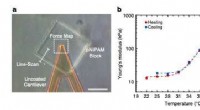
* Temperature: Temperature can also affect the acidity of an acid. In general, the higher the temperature, the more acidic a solution will become. This is because higher temperatures cause the molecules in a solution to move more quickly, which increases the chances of them colliding with each other and releasing hydrogen ions.
* Solvent: The solvent that an acid is dissolved in can also affect its acidity. For example, acids are more acidic in water than they are in organic solvents. This is because water is a polar solvent, which means that it has a positive end and a negative end. The positive end of the water molecule can attract the negative end of the acid molecule, which helps to break apart the acid and release hydrogen ions.