For comparison, the thermal conductivity of Polyethylene is around 0.25 W/mK. In contrast, copper, a well-known conductor of heat, has a thermal conductivity of approximately 401 W/mK. This significant difference highlights Polyethylene's insulating capabilities.
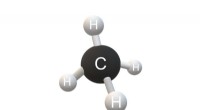
The low thermal conductivity of Polyethylene is primarily due to its molecular structure. Polyethylene consists of long chains of carbon atoms with hydrogen atoms attached, forming a dense network of tightly packed molecules. This compact molecular arrangement hinders the transfer of heat energy through vibrations and collisions between molecules.
The insulating properties of Polyethylene make it a suitable material for applications where heat retention or insulation is crucial. For instance, it is widely used as packaging material to protect temperature-sensitive products during transportation and storage. Polyethylene foam is another common form used as a thermal insulator in building construction, providing resistance against heat loss through walls, roofs, and floors.
However, it is important to note that while Polyethylene is a poor conductor of heat, it is still somewhat permeable to gases. This means that it can allow the passage of certain gases, such as oxygen and carbon dioxide, over time. This factor should be considered when choosing Polyethylene for packaging applications that require a strict barrier against gas exchange.
Overall, the low thermal conductivity of Polyethylene makes it a valuable material for thermal insulation and packaging solutions, contributing to energy efficiency and temperature control in various industries.