Non-concentrated sulfuric acid can have different concentrations depending on the intended use and application. It can range from 10% to 70% H2SO4, but the most common concentration is around 10% to 20%. Lower concentrations of sulfuric acid are generally considered safer to handle and use.
Non-concentrated sulfuric acid is produced by mixing concentrated sulfuric acid with water in a controlled manner to achieve the desired concentration. The process involves adding water to the concentrated acid while stirring or agitating the mixture to ensure uniform dilution.
Non-concentrated sulfuric acid has various applications in different industries and sectors:
1. Industrial Processes: It is used in the production of fertilizers, pharmaceuticals, dyes, plastics, and other chemicals.
2. Electrolyte in Batteries: Dilute sulfuric acid is the main component of the electrolyte used in lead-acid batteries, which are commonly found in vehicles, forklifts, and other equipment.
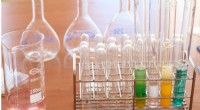
3. Laboratory Use: Non-concentrated sulfuric acid is used as a reagent in various laboratory experiments and titrations.
4. Water Treatment: It is used in water treatment processes to adjust pH levels and remove impurities.
5. Metal Finishing: Dilute sulfuric acid is employed in metal finishing processes, such as pickling and etching, to remove oxides and impurities from metal surfaces.
6. Textile Industry: Non-concentrated sulfuric acid is used in the production of synthetic fibers, such as nylon, and in the dyeing and finishing of fabrics.
7. Pharmaceutical Industry: It is used in the manufacture of drugs and pharmaceuticals where controlled pH or acidic conditions are required.
Non-concentrated sulfuric acid is generally safer to handle compared to concentrated sulfuric acid, as it has a lower risk of causing severe burns or damage to materials. However, precautions should still be taken when working with any concentration of sulfuric acid, including wearing appropriate protective clothing and eye protection, and handling it in a well-ventilated area.