1. Gravity Separation:
This method relies on the difference in density between oil and water. Since oil is less dense than water, it tends to float on top.
- Allow the mixture to settle in a container for some time.
- The oil will gradually rise to the surface while water will settle at the bottom.
- Carefully pour or siphon off the oil layer.
2. Filtration:
This method involves using a filter or absorbent material to separate the oil from water.
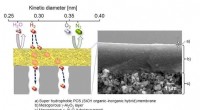
- Choose absorbent materials that selectively attract oil, such as activated carbon, sawdust, or clay.
- Place the absorbent material in a funnel or filtration system.
- Pour the mixture through the filter. The oil will be absorbed by the material, while the water passes through.
3. Centrifugation:
Centrifugation uses the force of rotation to separate liquids based on their densities.
- Place the mixture in centrifuge tubes and spin them at a high speed.
- The centrifugal force will cause the denser water to move to the bottom while the less dense oil moves to the top.
- Carefully collect the separated layers.
Additional Considerations:
- In some cases, a combination of methods, such as gravity separation followed by filtration, might be necessary to achieve a complete separation.
- The specific method you use may depend on the type of oil, water, and the scale of the separation required.
- Always prioritize safety when working with mixtures that may involve flammable substances.