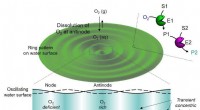
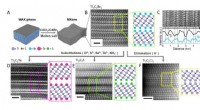
Here are some key factors that contribute to the reactivity of metals:
1. Valence Electron Configuration: Metals with a low ionization energy usually have one or two valence electrons in their outermost shell. These electrons are loosely bound to the nucleus, making them more easily removable and susceptible to chemical reactions. For instance, alkali metals (Group 1) have a single valence electron, while alkaline earth metals (Group 2) have two valence electrons, and they are known to be highly reactive.
2. Atomic Size: The size of metal atoms also plays a role in reactivity. Generally, as you move down a group (column) in the periodic table, the atomic size increases. This is because the number of electron shells increases, leading to a greater distance between the outermost electrons and the positively charged nucleus. Larger atoms have a weaker attraction between the nucleus and the valence electrons, making them more likely to be lost during chemical reactions. For example, cesium (Cs) is more reactive than sodium (Na) due to its larger atomic size.
3. Ionization Energy: Ionization energy is the energy required to remove the outermost electron from an atom. Metals with a lower ionization energy have a weaker attraction between the nucleus and the valence electrons. Therefore, they can more readily give up electrons, making them more reactive. For instance, potassium (K) has a lower ionization energy than calcium (Ca), so potassium is more reactive.
4. Hydration Energy: Hydration energy refers to the energy released when ions dissolve in water and become surrounded by water molecules. Metals that form stable hydrated ions have higher hydration energies. This energy compensates for the energy required to remove electrons (ionization energy), making the overall reaction more favorable. Metals with high hydration energies tend to be more reactive. For example, magnesium (Mg) has a higher hydration energy than aluminum (Al), which contributes to its higher reactivity.
5. Reduction Potential: The reduction potential of a metal is a measure of its tendency to undergo reduction, which involves gaining electrons. Metals with a more negative reduction potential are more likely to be reduced and, therefore, more reactive. For instance, zinc (Zn) has a more negative reduction potential than iron (Fe), indicating that zinc is more reactive.
In summary, the reactivity of metals is influenced by factors such as valence electron configuration, atomic size, ionization energy, hydration energy, and reduction potential. Metals with loosely held valence electrons, larger atomic sizes, low ionization energies, and high hydration energies tend to be more reactive. Understanding these factors helps us predict the reactivity of metals and their behavior in chemical reactions.