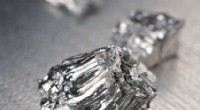
- Halite, also known as rock salt, is a sedimentary mineral consisting of sodium chloride (NaCl). It is commonly found in evaporite deposits formed when saline waters, such as those from ancient seas or lakes, evaporate and leave behind mineral salts. Due to its widespread distribution and easy accessibility, halite has been used as a seasoning, preservative, and food enhancer throughout human history.
- Opal, on the other hand, is a hydrated amorphous form of silica (SiO2·nH2O). It is typically formed from the precipitation of silica-rich solutions in cavities or within sedimentary rocks. The unique characteristic of opal is its iridescence, which refers to the play of colors on its surface caused by the interference of light with microscopic silica spheres arranged in a regular pattern. This fascinating optical phenomenon makes opal a prized gemstone.
To summarize, halite and opal are fundamentally different minerals distinguished by their chemical composition, formation process, and the presence or absence of iridescence. Halite is composed of sodium chloride and is a widely used culinary salt, while opal is a hydrated form of silica known for its colorful iridescence and value as a gemstone.