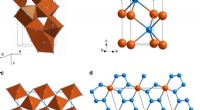
In sodium chloride (NaCl), sodium loses one electron to achieve a stable electron configuration, resulting in a positive charge (+1) known as a sodium ion (Na+). Chlorine gains the electron lost by sodium, resulting in a negative charge (-1) and forming a chloride ion (Cl-). When these ions combine to form sodium chloride, the positive charge of the sodium ion and the negative charge of the chloride ion cancel each other out, resulting in a neutral compound with an overall charge of zero.