1. Reaction with Acids:
- When sodium bicarbonate is mixed with an acid, such as vinegar (acetic acid), a chemical reaction occurs, resulting in the release of carbon dioxide (CO2) gas. This gas causes the characteristic fizzing and bubbling observed during baking or cleaning.
2. Reaction with Bases:
- In general, sodium bicarbonate does not react with bases to produce gas. Mixing baking soda with a base like sodium hydroxide (NaOH) will not result in a gas-evolving reaction.
3. Reaction with Water:
- Sodium bicarbonate alone, when dissolved in water, does not produce a gas. It requires an acidic component to react and release CO2.
4. Thermal Decomposition:
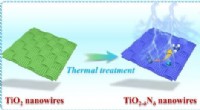
- When sodium bicarbonate is heated strongly, it undergoes thermal decomposition. This process releases CO2 gas, water vapor, and sodium carbonate.
5. Reaction with Salts:
- Mixing baking soda with certain salts can lead to gas production. For example, reacting baking soda with alum (potassium aluminum sulfate) in the presence of water generates carbon dioxide and aluminum hydroxide, resulting in a fizzing reaction.
Therefore, the evolution of gas from sodium bicarbonate depends on the chemical environment it encounters. It reacts with acids to produce CO2 gas, undergoes thermal decomposition when heated, and can react with specific salts to generate gas. However, not all substances mixed with sodium bicarbonate will lead to gas evolution.