For example, when sodium hydroxide (NaOH), which is a strong base, is added to hydrochloric acid (HCl), which is a strong acid, the following reaction occurs:
NaOH + HCl → NaCl + H2O
The sodium hydroxide donates hydroxide ions to the hydrochloric acid, which reacts with the hydrogen ions from the hydrochloric acid to form water. The resulting solution is neutral, meaning that it has an equal concentration of hydrogen ions and hydroxide ions.
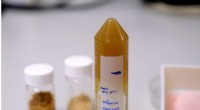
Another way to neutralize an acid is to use an acid-base indicator. An acid-base indicator is a substance that changes color depending on the pH of the solution. The pH of a solution is a measure of its acidity or basicity. A pH of 7 is neutral, a pH below 7 is acidic, and a pH above 7 is basic.
When an acid-base indicator is added to an acidic solution, it will turn a different color. The color change will depend on the specific indicator used. For example, phenolphthalein is an acid-base indicator that turns pink when the pH of the solution is above 8.2. If phenolphthalein is added to an acidic solution, it will remain colorless.
Acid-base indicators can be used to determine the endpoint of a neutralization reaction. The endpoint of a neutralization reaction is the point at which the acid and base have been added in stoichiometric amounts, meaning that all of the acid has been neutralized by the base. At the endpoint, the pH of the solution will be 7, which is neutral.
To use an acid-base indicator to determine the endpoint of a neutralization reaction, the indicator is added to the acidic solution before the base is added. The base is then added slowly until the color of the indicator changes. This indicates that the endpoint of the reaction has been reached.