1. Gather the necessary materials:
- Perchloric acid (HClO4) concentrated solution (typically 70-72%)
- Deionized or distilled water
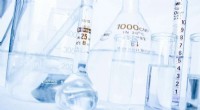
- Graduated pipettes or volumetric flasks
- Safety goggles and gloves
2. Calculate the volume of concentrated HClO4 needed:
- Determine the molarity (M) of the concentrated HClO4 solution you have.
- Use the formula: \(M1 \times V1 = M2 \times V2\), where:
- M1 = Molarity of the concentrated HClO4 solution (e.g., 70 M)
- V1 = Volume of concentrated HClO4 solution you need to add (in liters)
- M2 = Desired molarity of the final HClO4 solution (0.001 M)
- V2 = Final volume of the diluted HClO4 solution (in liters)
- Solve for V1, the volume of concentrated HClO4 solution needed.
3. Prepare the diluted HClO4 solution:
- Wear safety goggles and gloves.
- Slowly add the calculated volume of concentrated HClO4 to a small amount of deionized water in a container (e.g., a beaker).
- Mix thoroughly.
- Transfer the solution to a volumetric flask.
- Add more deionized water to reach the desired final volume.
- Mix thoroughly again to ensure homogeneity.
4. Verify the concentration:
- It's recommended to verify the concentration of the prepared solution using a pH meter or other appropriate analytical methods to ensure accuracy.
5. Store safely:
- Store the prepared 0.001M perchloric acid in a suitable container labeled with its concentration and the date of preparation.
- Perchloric acid is corrosive and should be handled with appropriate safety precautions.
Note: Perchloric acid is a highly corrosive and potentially explosive chemical, especially in concentrated form. Exercise extreme caution when handling concentrated HClO4, and always follow proper safety protocols.