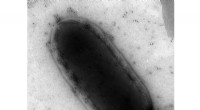
1. Osmosis: When salt is added to food, it draws water out of the food through osmosis. This process creates a hypertonic environment, where there is a higher concentration of salt outside the cells of microorganisms compared to the inside. As a result, water moves out of the microbial cells, causing them to shrink and die.
2. Denaturation of proteins: Salt can also disrupt the structure of proteins, leading to their denaturation. This process affects enzymes, which are essential for microbial growth and metabolism. The disruption of enzymes can inhibit or slow down the growth and activity of microorganisms.
3. Inhibition of enzyme activity: Some specific salts can directly inhibit the activity of enzymes involved in microbial metabolism. For example, copper salts can bind to essential sulfhydryl groups of enzymes, altering their structure and function. This can inhibit the growth and reproduction of microorganisms.
4. Antimicrobial properties: Certain salts, such as sodium benzoate and potassium sorbate, have antimicrobial properties and can directly kill or inhibit the growth of microorganisms. These salts are often used as preservatives in various foods and beverages.
Overall, salt effectively prevents food decay by creating an unfavorable environment for the growth and survival of microorganisms.