Versatile solvents are used in a wide variety of applications, including:
* Cleaning: Versatile solvents are often used to clean surfaces because they can dissolve a variety of dirt and grime.
* Extraction: Versatile solvents are used to extract solutes from mixtures. For example, ethanol is used to extract vanilla flavor from vanilla beans.
* Chromatography: Versatile solvents are used in chromatography to separate mixtures of solutes. For example, dichloromethane is used to separate a mixture of lipids.
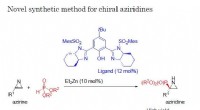
* Synthesis: Versatile solvents are used in chemical synthesis to dissolve reactants and products. For example, acetone is used to dissolve the reactants in a Grignard reaction.
The versatility of a solvent is determined by its chemical properties, such as its polarity, dielectric constant, and hydrogen bonding ability. Polar solvents are generally more versatile than nonpolar solvents because they can dissolve a wider variety of solutes. Solvents with a high dielectric constant are also more versatile because they can dissolve ionic compounds. Hydrogen bonding ability can also contribute to a solvent's versatility because it allows the solvent to form hydrogen bonds with other molecules.
Versatile solvents are important tools in a variety of fields, including chemistry, biology, and engineering. Their ability to dissolve a wide variety of solutes makes them essential for a wide range of applications.