Here are some specific examples of things that have chemicals in them:
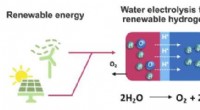
* Water: Water is a compound made up of two hydrogen atoms and one oxygen atom. It is essential for life and makes up about 60% of the human body.
* Salt: Salt is a compound made up of sodium and chlorine atoms. It is used to flavor food and preserve it.
* Baking soda: Baking soda is a compound made up of sodium, hydrogen, carbon, and oxygen atoms. It is used as a leavening agent in baking and can also be used to clean surfaces.
* Ammonia: Ammonia is a compound made up of nitrogen and hydrogen atoms. It is used to make fertilizer and can also be used as a cleaning agent.
* Sugar: Sugar is a compound made up of carbon, hydrogen, and oxygen atoms. It is a sweet-tasting substance that is used to add flavor to food.
* Alcohol: Alcohol is a compound made up of carbon, hydrogen, and oxygen atoms. It is a intoxicating substance that can be consumed in drinks.
* Gasoline: Gasoline is a mixture of hydrocarbons that is used to power cars.
* Plastic: Plastic is a synthetic material that is made up of long chains of carbon atoms. It is used to make a variety of products, including bottles, bags, and toys.
Chemicals are all around us and are essential for life. They are used to make food, medicine, clothing, and shelter. They are also used to power our cars, heat our homes, and generate electricity.