1. Continuous Heat Supply: Provide a constant source of heat to the reaction mixture. This can be achieved using heating mantles, hotplates, oil baths, or heating blocks.
2. Microwave Irradiation: Microwave energy can be used to rapidly heat reactants, initiating and sustaining endothermic reactions. Special microwave-safe vessels are required for this purpose.
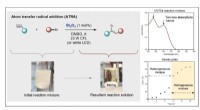
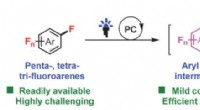
3. Sunlight or UV Light: Certain endothermic reactions can be triggered and maintained using sunlight or ultraviolet light as an energy source. Photochemical reactions fall into this category.
4. Electrical Energy: Apply an electric current to the reaction mixture, causing the reactants to undergo an endothermic electrochemical change. Electrolysis is an example.
5. Exothermic Reaction Combination: Couple the endothermic reaction with an exothermic reaction that produces enough heat to drive the endothermic process.
6. Catalyst Addition: Some catalysts can lower the activation energy required for an endothermic reaction to occur, making it more facile.
7. Pressure Increase: In certain cases, increasing the pressure can promote endothermic reactions by altering the thermodynamic equilibrium.
By carefully controlling these parameters and energy inputs, it becomes possible to initiate and sustain endothermic chemical changes.