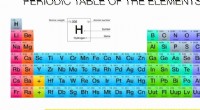
For example, helium (He) has two protons and two neutrons in its nucleus, while nitrogen (N2) has seven protons and seven neutrons in its nucleus. This means that nitrogen molecules are heavier than helium molecules. As a result, nitrogen gas is heavier than helium gas.
The density of a gas is also a factor in its weight. Density is defined as mass per unit volume. The denser a gas is, the heavier it feels. For example, compressed air is denser than regular air, so it feels heavier.
The temperature of a gas can also affect its weight. When a gas is heated, its molecules move faster and spread out more. This makes the gas less dense, so it feels lighter. For example, hot air rises because it is less dense than cold air.
In general, heavier gases are those that have heavier molecules, are denser, or are cooler.