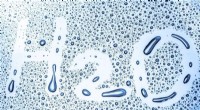
1. Water: Rusting involves the chemical reaction between iron and oxygen in the presence of water and air. Water acts as an electrolyte, facilitating the flow of ions and promoting the formation of rust. The presence of dissolved salts or impurities in water can accelerate the rusting process.
2. Acids: Acidic liquids, such as vinegar, lemon juice, or hydrochloric acid, can react with iron to form iron salts and release hydrogen gas. This reaction can accelerate the formation of rust.
3. Alkaline Liquids: Alkaline liquids, such as sodium hydroxide (NaOH) or baking soda (sodium bicarbonate), can react with iron to form a protective layer of iron oxide that can inhibit further rusting.
4. Saltwater: Saltwater, such as seawater, contains dissolved salts like sodium chloride (NaCl). These salts enhance the conductivity of water and increase the rate of electrochemical reactions, leading to accelerated rusting.
5. Alcohol: Alcohols, such as ethanol or isopropyl alcohol, generally do not react with iron and may provide some protection against rust by displacing water and oxygen from the metal's surface. However, they can still facilitate corrosion in the presence of certain impurities.
6. Oils: Oils, such as mineral oil or vegetable oil, can create a protective barrier on the metal's surface, preventing contact with oxygen and water. This can help slow down the rusting process.
7. Solvents: Organic solvents, such as acetone or paint thinner, do not react with iron but can dissolve or weaken the protective oxide layer, making the metal more susceptible to rusting.
It's important to note that the effects of liquids on rust can also depend on factors such as concentration, temperature, exposure time, and the specific type of metal. Therefore, it's essential to consider the specific liquid and metal combination in question to determine its impact on rust formation.