Anesthesia: Chloroform was historically used as a general anesthetic during surgical procedures. However, due to its potential toxicity and side effects, including liver damage and cardiac arrhythmias, it has largely been replaced by safer alternatives like ether and halothane.
Pharmaceutical Industry: Chloroform is used as a solvent in the production of certain pharmaceuticals, such as antibiotics and vitamins. Its ability to dissolve organic compounds makes it suitable for extracting and purifying chemical substances.
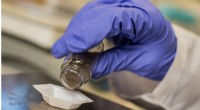
Organic Chemistry: In organic chemistry laboratories, chloroform is commonly employed as a solvent for chemical reactions and purifications. It is particularly useful for extracting organic compounds from aqueous solutions due to its immiscibility with water.
Degreasing Agent: Chloroform's solvent properties make it effective for removing grease and dirt from surfaces. It is commonly used in industries for cleaning metal parts, electronic components, and machinery.
Fumigant: Chloroform has been used as a fumigant to control pests in stored products, such as grains and textiles. However, due to its potential health risks, its use as a fumigant has been largely discontinued.
Industrial Applications: Chloroform is also used in certain industrial processes, such as the production of dyes, rubber, and plastics. It can serve as a solvent or a starting material for chemical reactions.
It's important to note that due to its toxicity and potential environmental impact, chloroform is subject to regulations and restrictions in many countries. Safety precautions and appropriate handling are necessary when working with chloroform.