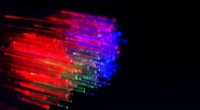
When a compound containing zinc ions is heated in a flame, it gives a characteristic green flame. This flame test can be used to identify the presence of zinc ions in a sample. The flame test for zinc is relatively sensitive, and it can detect zinc ions even at low concentrations.
Zinc Ferrocyanide Test:
Another test for zinc ions is the zinc ferrocyanide test. In this test, a solution of potassium ferrocyanide is added to a solution containing zinc ions. If zinc ions are present, a white precipitate of zinc ferrocyanide will form. The zinc ferrocyanide precipitate is insoluble in water and dilute acids.
The zinc ferrocyanide test is less sensitive than the flame test, but it is more specific. The zinc ferrocyanide test can be used to identify zinc ions in the presence of other metal ions, such as iron ions and copper ions.
Zinc Dithizone Test:
A third test for zinc ions is the zinc dithizone test. In this test, a solution of dithizone is added to a solution containing zinc ions. If zinc ions are present, a red-violet complex will form between the zinc ions and the dithizone. The zinc dithizone complex is soluble in organic solvents, such as chloroform.
The zinc dithizone test is less sensitive than the flame test and the zinc ferrocyanide test, but it is more selective. The zinc dithizone test can be used to identify zinc ions in the presence of other metal ions, such as iron ions, copper ions, and nickel ions.