* To ensure that the steel meets the desired specifications. The chemical composition of steel can affect its properties, such as its strength, hardness, and corrosion resistance. By performing chemical tests, manufacturers can ensure that the steel they produce meets the requirements of their customers.
* To identify the type of steel. There are many different types of steel, each with its own unique chemical composition. By performing chemical tests, it is possible to identify the type of steel and determine its suitability for a particular application.
* To troubleshoot problems. If a steel product fails to meet the desired specifications, chemical tests can be used to identify the cause of the failure. This information can then be used to make improvements to the manufacturing process.
There are a number of different chemical tests that can be performed on steel. The most common tests include:
* Spark testing. This test involves striking a piece of steel with a grinding wheel to produce a spark. The color and shape of the spark can be used to identify the type of steel.
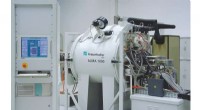
* Spectroscopy. This test involves shining a light on a piece of steel and measuring the wavelengths of light that are absorbed. The absorption spectrum can be used to identify the elements present in the steel.
* Wet chemical analysis. This test involves dissolving a sample of steel in acid and then measuring the concentrations of the different elements in the solution.
The specific chemical tests that are performed on steel depend on the type of steel and the information that is desired.