Cations are positively charged ions, while anions are negatively charged ions. The attraction between the positive and negative charges of the ions is what holds the ionic compound together.
Some common cations include:
* Sodium (Na+)
* Potassium (K+)
* Calcium (Ca2+)
* Magnesium (Mg2+)
* Iron (Fe2+, Fe3+)
* Copper (Cu2+)
* Zinc (Zn2+)
Some common anions include:
* Chloride (Cl-)
* Fluoride (F-)
* Oxide (O2-)
* Sulfate (SO42-)
* Carbonate (CO32-)
* Nitrate (NO3-)
* Phosphate (PO43-)
When building an ionic compound, you will need to combine one or more cations with one or more anions in such a way that the overall charge of the compound is neutral. For example, to build sodium chloride (NaCl), you would combine one sodium ion (Na+) with one chloride ion (Cl-). The sodium ion has a charge of +1, while the chloride ion has a charge of -1, so the overall charge of the compound is 0.
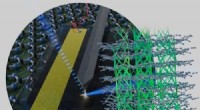
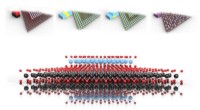
Once you have combined the ions in the correct proportions, the compound will form a solid crystal lattice. The crystal lattice is held together by the electrostatic attraction between the positive and negative ions.
Ionic compounds are typically hard, brittle, and have high melting points. They are also good conductors of electricity and heat.