Home
Chemistry
Astronomy
Energy
Nature
Biology
Physics
Electronics
Science
>>
Science Discoveries
> >>
Chemistry
Mercury's Ionic Charge: Understanding +2 Explained
Mercury has an ionic charge of 2+. This means that when mercury loses electrons, it loses two of them, resulting in a positive charge of 2.
Covalent vs. Ionic Bonds: Understanding the Key Differences
Lock-and-Key Mechanism: Enzymes and Substrates Explained
Chemistry
Unraveling the Origins: How the First Biomolecules May Have Formed
New Study Reveals Pathway to Enhanced Rechargeable Lithium Batteries
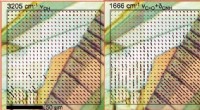
Detailed Analysis of Paracetamol Microstructure Using Synchrotron IR Spectroscopy
Science Discoveries
Wolverine Habitat Connectivity: Key to Conservation Efforts
Autonomous Ocean Robots Achieve Record Survey of Antarctic Ice Shelf After One Year
Black Holes with Dreadlocks Unveil Quantum Matter Secrets
Science Discoveries
Chemistry
Astronomy
Energy
Nature
Biology
Physics
Electronics
Geology
Solar Eclipse
Math
other
Nanotechnology
Chemistry
Microbial Discovery: Novel Pathway for Pure Carbon Production Identified
Synergistic Microbial Consortia Expand Biomass Conversion Potential
Skoltech and MIPT Reveal Protein and Lipid Profile of Siberian Mammoth Bone
New RNA‑Binding Drug Blocks Genetic Causes of ALS and Frontotemporal Dementia
Advanced EM Radiation Shielding Systems Developed for Enhanced Safety
Enhancing Adhesive Performance for Wearable Sensor Applications
|
Geology
|
Math
|
Solar Eclipse
Science Discoveries © www.scienceaq.com