1. Combination reactions (also called synthesis reactions): Two or more substances combine to form a single product. For example, hydrogen and oxygen combine to form water:
$$2H_2 + O_2 → 2H_2O$$
2. Decomposition reactions: A single compound breaks down into two or more products. For example, water breaks down into hydrogen and oxygen:
$$2H_2O → 2H_2 + O_2$$
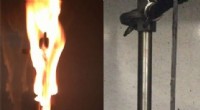
3. Combustion reactions: A substance reacts with oxygen to release heat and light. For example, methane burns in oxygen to produce carbon dioxide and water:
$$CH_4 + 2O_2 → CO_2 + 2H_2O$$
4. Single-replacement reactions: One element replaces another element in a compound. For example, iron reacts with copper sulfate to produce iron sulfate and copper:
$$Fe + CuSO_4 → FeSO_4 + Cu$$
5. Double-replacement reactions: Two compounds exchange ions to form two new compounds. For example, sodium chloride and silver nitrate react to produce sodium nitrate and silver chloride:
$$NaCl + AgNO_3 → NaNO_3 + AgCl$$