Lithium Nitride (Li3N):
- Composition: Lithium nitride is composed of lithium (Li) and nitrogen (N) atoms. It has the chemical formula Li3N.
- Properties:
- Lithium nitride is a gray-colored crystalline solid.
- It is a highly reactive compound that reacts with water to produce ammonia (NH3) and lithium hydroxide (LiOH).
- Li3N is typically handled in a dry environment due to its sensitivity to moisture.
- It has applications in various industries, including the synthesis of other lithium compounds and as a source of nitrogen in certain chemical processes.
Lithium Nitrate (LiNO3):
- Composition: Lithium nitrate consists of lithium (Li), nitrogen (N), and oxygen (O) atoms. Its chemical formula is LiNO3.
- Properties:
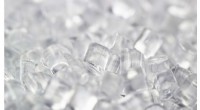
- Lithium nitrate is a white-colored crystalline solid.
- It is relatively stable and less reactive compared to lithium nitride.
- LiNO3 is soluble in water and forms colorless solutions.
- It is commonly used as a component in fertilizers, where it serves as a source of nitrogen and lithium.
- It also has applications in pyrotechnics and as an oxidizing agent in certain industrial processes.
In summary, the primary difference between lithium nitride (Li3N) and lithium nitrate (LiNO3) lies in their chemical composition. Lithium nitride is composed of lithium and nitrogen, while lithium nitrate contains lithium, nitrogen, and oxygen. They exhibit different properties, with Li3N being highly reactive and sensitive to moisture, while LiNO3 is more stable and water-soluble. Their applications also vary, with Li3N being used in the synthesis of other compounds and nitrogen sources, and LiNO3 primarily used in fertilizers and pyrotechnics.