Decantation: This method involves carefully pouring off the liquid from a mixture, leaving the solid behind. It is often used when the solid is denser than the liquid and settles at the bottom of the container. Decantation can be used to separate liquids from solids in various situations, such as making coffee or clarifying soups.
Evaporation: This method relies on the evaporation of the liquid component of a mixture, leaving behind the solid. It is commonly used in the production of salt from seawater and in the concentration of liquid food products, such as milk and fruit juices.
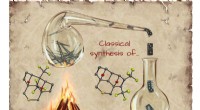
Distillation: This method involves heating a mixture until the liquid component vaporizes and then condensing the vapor back into a liquid, leaving the solid behind. Distillation is widely used in the purification of water, the production of alcoholic beverages, and the separation of chemical compounds.
Magnetic Separation: This method utilizes magnetic force to separate magnetic particles from non-magnetic particles. It is commonly employed to separate ferrous metals from non-ferrous metals or to remove magnetic impurities from materials.