Solute:
* Sugars: Orange juice contains various sugars, primarily sucrose, glucose, and fructose, which contribute to its sweet taste. These sugars are dissolved in the juice and act as solutes.
* Organic Acids: Citric acid is the predominant organic acid in orange juice. It imparts the characteristic sour taste and contributes to the juice's acidity. Other organic acids, such as malic acid and ascorbic acid (vitamin C), may also be present in smaller amounts.
* Vitamins: Orange juice is an excellent source of vitamin C (ascorbic acid), which acts as a natural antioxidant and plays crucial roles in the body's immune system and various metabolic processes. Other vitamins present in the juice, although in smaller quantities, include vitamin A, thiamine (vitamin B1), riboflavin (vitamin B2), and niacin (vitamin B3).
* Minerals: Orange juice contains several essential minerals, including potassium, calcium, and magnesium. These minerals are dissolved in the juice and contribute to its nutritional value.
Solvent:
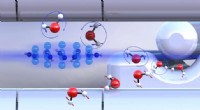
The solvent in orange juice is primarily water. Water is the main component of the juice and acts as the medium in which the solutes mentioned above are dissolved. The water content in orange juice can vary slightly depending on factors such as the type of oranges used and the juicing process.
The solutes and the solvent together form the orange juice solution, contributing to its taste, nutritional value, and overall characteristics.