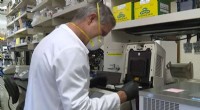
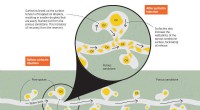
For example, in a chemical laboratory, concentrated acids like hydrochloric acid (HCl) or sulfuric acid (H2SO4) are commonly used. If these acids come into contact with the uncoated table-top surface, they can cause severe damage, such as etching, discoloration, and even structural weakening. An acid resistant coating prevents these acids from reacting with the table-top material and protects the table's integrity.
Acid resistant coatings are also easy to clean and maintain, making them a practical choice for laboratory settings. They help prevent stains and spills from penetrating the table's surface, ensuring a clean and safe laboratory environment.
In summary, acid resistant coatings on laboratory table-tops provide essential protection against chemical damage, ensuring longevity, safety, and cleanliness in the demanding laboratory environment.