1. Polymerization:
- This reaction involves the linking of smaller molecules, called monomers, to form larger molecules or polymers. Synthetic fibers like nylon, polyester, and acrylic are produced through polymerization reactions.
2. Condensation:
- Condensation reactions involve the combination of two molecules with the elimination of water or a small molecule like alcohol. These reactions are commonly used to produce synthetic fibers such as nylon and polyester.
3. Cross-linking:
- Cross-linking reactions form covalent bonds between the polymer chains, resulting in a more stable and durable fabric. They are used to improve the strength, crease resistance, and dimensional stability of textiles.
4. Dyeing:
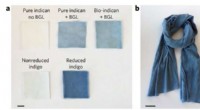
- Dyeing is a process of adding color to textiles. Organic dyes are typically used for this purpose, and they can be applied to fibers through various methods, including immersion, printing, and spraying.
5. Printing:
- Organic pigments and dyes are used to create patterns and designs on textiles through printing techniques such as screen printing, roller printing, and digital printing.
6. Finishing:
- Organic chemicals are employed in textile finishing processes to impart specific properties to fabrics. This includes treatments for water repellency, fire resistance, wrinkle resistance, and stain resistance. Softeners and conditioners are also used to improve the feel and texture of textiles.
7. Bleaching:
- Bleaching involves removing impurities and natural pigments from textile fibers to achieve a white or light-colored appearance. This process often utilizes organic bleaching agents like sodium hypochlorite (bleach) or hydrogen peroxide.
8. Mercerization:
- Mercerization is a treatment that enhances the luster, strength, and dye receptivity of cotton fibers. It involves treating the fabric with a concentrated sodium hydroxide solution.
By harnessing these organic reactions, the textile industry produces a wide range of fabrics with diverse properties and applications, catering to the fashion, home décor, and industrial sectors.