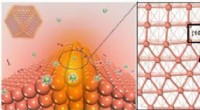
A decomposition reaction is the opposite of a combination reaction, which is a chemical reaction in which two or more substances combine to form a new compound.
The general formula for a decomposition reaction is:
```
AB → A + B
```
where AB is the compound that is breaking down, and A and B are the simpler substances that are formed.
Here are some examples of decomposition reactions:
* When water (H2O) is heated, it breaks down into hydrogen (H2) and oxygen (O2):
```
2H2O → 2H2 + O2
```
* When calcium carbonate (CaCO3) is heated, it breaks down into calcium oxide (CaO) and carbon dioxide (CO2):
```
CaCO3 → CaO + CO2
```
* When potassium chlorate (KClO3) is heated, it breaks down into potassium chloride (KCl) and oxygen (O2):
```
2KClO3 → 2KCl + 3O2
```
Decomposition reactions can also be caused by light or by the presence of a catalyst. For example, when silver chloride (AgCl) is exposed to light, it breaks down into silver (Ag) and chlorine (Cl2):
```
2AgCl → 2Ag + Cl2
```
Decomposition reactions are also used industrially to produce a variety of substances, including hydrogen, oxygen, and carbon dioxide.