Introduction:
Understanding the behavior of atmospheric particles is crucial for unraveling their impact on climate, air quality, and human health. Traditionally, atmospheric particles have been assumed to be spherical for simplicity in modeling and analysis. However, recent research has highlighted the significance of non-spherical particles in the atmosphere, prompting a deeper investigation into their unique properties and behaviors. This article explores the latest research advances that shed light on the intricate world of non-spherical atmospheric particles.
1. Shape Factors and Morphology:
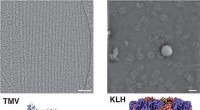
Research has revealed the diverse shapes of atmospheric particles, including spheroids, rods, fibers, and more complex irregular structures. Shape factors and morphology play a crucial role in particle behavior, affecting their scattering and absorption of light, deposition patterns, and interaction with other particles. Advanced imaging techniques such as scanning electron microscopy and optical microscopy enable detailed characterization of particle shapes, aiding in the development of more accurate models.
2. Optical Properties and Light Scattering:
Non-spherical particles exhibit unique optical properties compared to their spherical counterparts. Their irregular shapes can lead to enhanced light scattering and absorption, influencing the intensity, polarization, and angular distribution of scattered light. These properties have implications for remote sensing techniques used to retrieve particle properties and monitor atmospheric conditions. Research focuses on developing sophisticated scattering models that incorporate non-spherical particle shapes to improve the accuracy of atmospheric retrievals.
3. Aerodynamic Behavior and Cloud Formation:
The shape of atmospheric particles influences their aerodynamic behavior, settling velocities, and interactions with cloud droplets. Non-spherical particles can act as cloud condensation or ice nuclei more efficiently than spherical particles, impacting cloud formation and precipitation processes. Recent studies explore the role of non-spherical particles in cloud microphysics, aiming to enhance cloud modeling capabilities and climate predictions.
4. Particle Deposition and Health Effects:
The shape and size of atmospheric particles govern their deposition patterns within the respiratory tract, ultimately affecting human health. Non-spherical particles can exhibit enhanced deposition in specific regions of the respiratory system, leading to potential health risks. Research investigates the mechanisms of particle deposition and toxicity associated with different particle shapes, contributing to risk assessment and regulatory strategies.
5. Climate Impact and Radiative Forcing:
Non-spherical particles contribute to the Earth's energy budget through their interactions with solar radiation. Their shape-dependent scattering and absorption properties can influence the radiative forcing and heat transfer within the atmosphere, potentially affecting climate patterns. Advancements in radiative transfer modeling incorporate non-spherical particle characteristics to refine estimates of climate impacts.
6. Advanced Modeling and Simulations:
Numerical modeling and simulations play a pivotal role in unraveling the complex behavior of non-spherical atmospheric particles. Computational fluid dynamics (CFD) simulations and discrete element methods (DEM) enable researchers to simulate particle dynamics, collisions, and interactions under various atmospheric conditions. These simulations provide insights into particle transport, deposition, and agglomeration processes at both microscopic and macroscopic scales.
Conclusion:
Recent research on non-spherical atmospheric particles has made significant progress in understanding their unique properties and behaviors. By exploring shape factors, optical characteristics, aerodynamic interactions, health effects, climate impact, and modeling techniques, researchers strive to refine atmospheric models, improve remote sensing retrievals, and mitigate air pollution. As the field continues to evolve, advancing our knowledge of non-spherical particles will help us better comprehend their multifaceted impacts on the environment and human health.