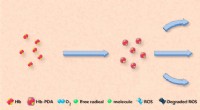
The most common cause of yellowing in plastics is photooxidation. This is a process that occurs when plastic is exposed to ultraviolet (UV) light from the sun. UV light causes the polymer chains in the plastic to break down, which creates free radicals. These free radicals then react with oxygen in the air to form yellowing compounds.
Photooxidation is a major problem for plastics that are used outdoors, such as window frames, siding, and car bumpers. It can also be a problem for plastics that are stored in areas that are exposed to sunlight, such as warehouses and retail stores.
Heat
Heat can also cause plastics to yellow. This is because heat accelerates the photooxidation process. When plastic is heated, the polymer chains become more mobile and they are more likely to break down when they are exposed to UV light.
Chemicals
Certain chemicals can also cause plastics to yellow. These chemicals include chlorine, bromine, and iodine. These chemicals can react with the polymer chains in plastic to form yellowing compounds.
Age
Plastics also tend to yellow with age. This is because the polymer chains in plastic naturally break down over time. This process is accelerated by exposure to UV light, heat, and chemicals.
How to prevent plastics from yellowing
There are a few things you can do to prevent plastics from yellowing:
* Protect plastics from exposure to UV light. This can be done by storing them in a cool, dark place or by covering them with a UV-resistant coating.
* Avoid exposing plastics to heat. This means not leaving them in direct sunlight or in hot cars.
* Avoid using chemicals that can cause plastics to yellow. This includes chlorine, bromine, and iodine.
* Clean plastics regularly. This will help to remove any dirt or grime that can attract UV light and heat.
By following these tips, you can help to keep your plastics looking their best for longer.