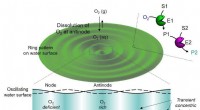
1. Ocean Acidification: Increasing levels of atmospheric CO2 dissolve in ocean water, leading to ocean acidification. This process reduces the pH of seawater and has negative impacts on marine ecosystems, including coral bleaching and reduced growth rates of marine organisms.
2. Calcium Carbonate Precipitation: When lime (calcium oxide) is added to seawater, it reacts with water to form calcium hydroxide, which then reacts with dissolved carbon dioxide to produce calcium carbonate. This results in the precipitation of calcium carbonate minerals like calcite and aragonite.
3. Carbon Sequestration: The formation of calcium carbonate minerals effectively removes carbon dioxide from the ocean water, converting it into a solid form that can be stored on the ocean floor. This process helps reduce the concentration of dissolved CO2 in seawater, thereby mitigating ocean acidification.
4. Atmospheric CO2 Reduction: As atmospheric CO2 continues to dissolve in seawater, the addition of lime maintains the pH of the water by neutralizing the acidity. This reduces the amount of carbon dioxide that can be absorbed by the ocean, leading to a decrease in the overall atmospheric CO2 levels.
5. Alkalinizing Effects: The addition of lime increases the alkalinity of seawater. This increased alkalinity helps buffer the effects of ocean acidification, making the water more resistant to pH changes caused by CO2 absorption.
However, it's essential to note that adding lime to seawater on a large scale may have potential ecological impacts that need to be carefully evaluated. The effects on marine life, changes in water chemistry, and potential disturbances to marine ecosystems require thorough scientific research and environmental assessments. Ocean alkalinization through lime addition is still a topic of ongoing study and exploration, with the goal of finding effective and sustainable approaches to mitigate the effects of elevated atmospheric CO2 levels on our oceans.