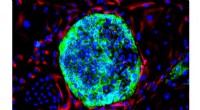
Scientists have finally uncovered the secret to how we detect sour taste. It all comes down to a protein called Otop1, which is found on the surface of taste cells. When Otop1 binds to hydrogen ions, it triggers a cascade of events that leads to the perception of sourness.
This discovery is a major breakthrough in our understanding of taste perception. It could lead to new ways to treat taste disorders and develop new flavorings.
How Otop1 Works
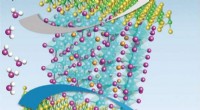
Otop1 is a member of the family of proteins known as ion channels. Ion channels are pores that allow ions, such as hydrogen ions, to flow into and out of cells. When Otop1 binds to hydrogen ions, it opens up and allows them to flow into taste cells.
This influx of hydrogen ions causes a change in the electrical potential of the taste cell. This change in potential is then detected by the brain, which interprets it as the sensation of sourness.
The Importance of Otop1
Otop1 is essential for our ability to taste sourness. People who have mutations in the Otop1 gene are unable to taste sour foods. This can have a significant impact on their quality of life, as they may not be able to enjoy certain foods or may even be at risk of malnutrition.
The discovery of how Otop1 works could lead to new treatments for taste disorders. For example, it may be possible to develop drugs that activate Otop1 and restore the ability to taste sourness.
This discovery could also lead to the development of new flavorings. By understanding how Otop1 works, scientists may be able to create new molecules that bind to Otop1 and produce the sensation of sourness. This could open up new possibilities for food and beverage manufacturers.
Conclusion
The discovery of how we detect sour taste is a major breakthrough in our understanding of taste perception. It could lead to new treatments for taste disorders and develop new flavorings.