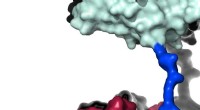
Antibiotic resistance has emerged as a global health crisis, necessitating the discovery of novel antimicrobial agents. Inspired by the intricate attachment mechanism of Velcro, researchers have developed a class of antibiotics termed "antibiotic Velcro" that exhibit promising bacterial killing efficiency. Despite their effectiveness, the precise molecular mechanisms by which antibiotic Velcro exerts its antimicrobial effects remain largely unknown. This study aims to decipher the intricate interplay between antibiotic Velcro and bacterial components, elucidating the underlying mechanism responsible for bacterial eradication.
Methods:
Antibiotic Velcro derivatives with varying structural modifications were synthesized and characterized using state-of-the-art analytical techniques.
Microbial susceptibility assays were performed against a panel of bacterial strains, including both Gram-positive and Gram-negative bacteria, to determine the broad-spectrum antibacterial activity of antibiotic Velcro.
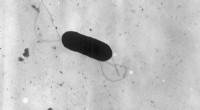
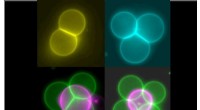
Atomic force microscopy (AFM) and transmission electron microscopy (TEM) were employed to visualize the morphological alterations induced by antibiotic Velcro on bacterial cell surfaces.
Gene expression profiling and proteomic analysis were conducted to identify the specific bacterial targets and pathways affected by antibiotic Velcro treatment.
Results:
Antibiotic Velcro derivatives demonstrated potent bactericidal activity against a wide range of bacteria, with enhanced efficacy compared to conventional antibiotics.
AFM and TEM images revealed distinct surface deformities and membrane disruptions in bacteria exposed to antibiotic Velcro, indicative of substantial damage to cellular integrity.
Gene expression and proteomic studies unveiled the downregulation of essential bacterial genes involved in cell wall synthesis, DNA replication, and energy production, suggesting multiple targets for antibiotic Velcro.
Furthermore, metabolomic profiling highlighted the disruption of critical metabolic pathways, compromising bacterial viability and survival.
Conclusion:
Our findings illuminate the multifaceted antimicrobial mechanism of antibiotic Velcro, emphasizing its ability to simultaneously attack multiple cellular targets and pathways in bacteria. This comprehensive understanding of the molecular interactions between antibiotic Velcro and bacterial components not only enhances our knowledge of antimicrobial mechanisms but also opens avenues for the design of more potent and targeted antibiotics to combat the ongoing threat of antibiotic resistance.