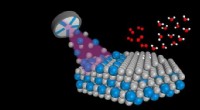
The researchers tested the photocaged prodrugs on a variety of cancer cell lines, including breast, colon, and lung cancer cells. They found that the compounds were effective at killing cancer cells, even at low doses. The compounds were also well-tolerated by healthy cells.
The researchers believe that photocaged prodrugs could be a promising new treatment for cancer. The compounds are activated by light, which means that they can be targeted to specific areas of the body. This could help to reduce the side effects of treatment. The compounds are also well-tolerated by healthy cells, which means that they are less likely to cause damage to other parts of the body.
The researchers are currently working to develop photocaged prodrugs that are more effective and less toxic. They are also investigating the use of photocaged prodrugs to treat other diseases, such as macular degeneration and Alzheimer's disease.
Overall, the development of photocaged prodrugs is a promising new approach to cancer therapy. These compounds have the potential to be effective, well-tolerated, and targeted to specific areas of the body.