1. Passive Diffusion:
- Some antitumor drugs are lipophilic, meaning they can easily dissolve in lipids (fatty substances).
- Due to their lipid solubility, these drugs can passively diffuse through the cell membrane and the nuclear membrane to reach the cell nucleus.
2. Active Transport:
- Certain antitumor drugs rely on active transport mechanisms to enter the cell nucleus.
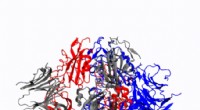
- These drugs interact with specific transport proteins or channels located on the cell membrane and nuclear membrane.
- The transport proteins or channels facilitate the movement of the drugs into and out of the cells, including the cell nucleus.
3. Endocytosis:
- Endocytosis is a process by which cells take up extracellular materials through the formation of vesicles.
- Some antitumor drugs can be internalized into cells via endocytosis.
- Once inside the cell, these drugs can be released from the endocytic vesicles and transported to the nucleus.
4. Carrier-Mediated Transport:
- Certain antitumor drugs require carrier molecules to facilitate their entry into the cell nucleus.
- These carrier molecules bind to the drugs in the extracellular environment and transport them across the cell membrane and nuclear membrane.
- The drugs are then released from the carrier molecules inside the nucleus.
5. Protein Channels and Pores:
- Some antitumor drugs can directly enter the cell nucleus through protein channels or pores in the cell membrane and nuclear membrane.
- These channels allow the passage of ions and molecules, including certain antitumor drugs.
The specific mechanism by which an antitumor drug enters the cell nucleus depends on its chemical properties, size, and interactions with cellular components. Moreover, cancer cells can develop resistance mechanisms that limit the effectiveness of antitumor drugs, so combination therapies and targeted drug delivery systems are often explored to enhance drug delivery to the cell nucleus and improve treatment outcomes.