Termites have a unique ability to break down plant matter into biofuel, and researchers say that studying their gut reactions could lead to improvements in the production of renewable fuels.
In a new study, researchers from the University of California, Berkeley, found that termites produce a variety of enzymes that break down plant matter, including cellulose and hemicellulose. These enzymes could be used to improve the efficiency of biofuel production, which currently relies on harsh chemicals and high temperatures to break down plant matter.
The researchers say that their findings could also lead to the development of new biofuels that are more environmentally friendly and sustainable.
How Termites Break Down Plant Matter
Termites have a symbiotic relationship with certain types of bacteria and fungi that live in their guts. These microorganisms produce enzymes that break down plant matter into simpler sugars, which the termites can then use as food.
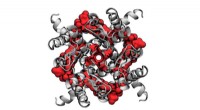
The researchers found that the termites produce a variety of enzymes, including cellulases, hemicellulases, and xylanases. These enzymes work together to break down the complex structure of plant matter into smaller molecules that the termites can digest.
Implications for Biofuel Production
The researchers say that their findings could lead to improvements in the production of renewable fuels. Currently, biofuel production relies on harsh chemicals and high temperatures to break down plant matter, which can be expensive and environmentally damaging.
The enzymes that termites produce could be used to replace these harsh chemicals and high temperatures, making biofuel production more efficient and sustainable.
New Biofuels
The researchers also say that their findings could lead to the development of new biofuels that are more environmentally friendly and sustainable.
For example, the researchers found that termites produce an enzyme that breaks down xylan, a major component of plant cell walls. This enzyme could be used to produce a new biofuel called xylose, which is more efficient and sustainable than traditional biofuels.
The researchers say that their findings are a promising step forward in the development of renewable fuels that are more environmentally friendly and sustainable.
Conclusion
Termites have a unique ability to break down plant matter into biofuel, and researchers say that studying their gut reactions could lead to improvements in the production of renewable fuels.
The researchers found that termites produce a variety of enzymes that break down plant matter, including cellulose and hemicellulose. These enzymes could be used to improve the efficiency of biofuel production, which currently relies on harsh chemicals and high temperatures to break down plant matter.
The researchers say that their findings could also lead to the development of new biofuels that are more environmentally friendly and sustainable.