Mercury is a highly toxic heavy metal that poses significant environmental and health risks. It accumulates in the food chain and can damage brain development in children. Bacterial mechanisms for mercury detoxification have been studied for years, but until now, the full picture remained unclear.
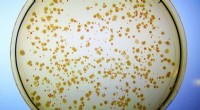
The MIT team focused on a type of bacteria called Shewanella oneidensis, which is known for its ability to tolerate high levels of mercury. Through a combination of genetic analysis and biochemical experiments, the researchers uncovered the intricate details of the detoxification process.
At the heart of the mechanism is a specialized enzyme called mercuric reductase, which converts toxic mercury ions (Hg2+) into less harmful elemental mercury (Hg0). This enzymatic reaction is enabled by the presence of specific ligands (molecules that bind to metal ions) that facilitate the binding of mercury to the enzyme.
Further analysis revealed that this detoxification pathway is regulated by a series of genes that respond to changes in mercury concentration in the environment. When exposed to high levels of mercury, the bacteria upregulate the expression of genes involved in mercuric reductase production, thereby enhancing their ability to detoxify the environment.
"Our discovery provides much-needed insights into how bacteria cope with mercury pollution," explains Professor Julia Boville, senior author of the study. "With a deeper understanding of the detoxification mechanisms, we can now design more effective bioremediation strategies and harness the power of these bacteria to address environmental mercury contamination."
The team suggests that their findings have broad implications for the development of environmentally friendly remediation technologies. They envision using genetically engineered bacteria or their enzymes to enhance mercury removal from polluted sites, contributing to a cleaner and healthier future.
Further research is needed to explore the potential applications of this breakthrough in various environments and the optimization of microbial-based remediation strategies. Nonetheless, the MIT team's discovery marks a significant advancement in our fight against the adverse effects of mercury pollution.