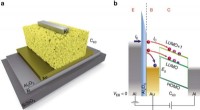
Hydrogen fuel cells are an alternative energy source that produces electricity through a chemical reaction between hydrogen and oxygen. Protons play a crucial role in this process by transferring electrical charge from the hydrogen to the oxygen electrode.
The main roadblock in this process lies in the slow diffusion of protons across the polymer membrane commonly used in hydrogen fuel cells, which limits the cell's efficiency and power output.
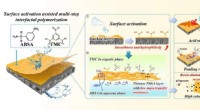
Led by Professor Gregory Tew, the UCI team designed and synthesized a new type of membrane material specifically engineered to enable faster movement of protons. This membrane contains nanoscale channels that are lined with functional groups that "grab" and shuttle protons across the membrane, significantly accelerating the proton transfer process.
The enhanced proton conductivity of the new membrane has the potential to revolutionize hydrogen fuel cell technology by enabling faster reaction rates, higher power densities, and improved efficiency. This could make hydrogen fuel cells a viable, cost-effective alternative to traditional fossil fuel-based energy sources.
The findings, published in the journal "Nature Materials," represent a major breakthrough in the field of proton-conducting materials and could pave the way for more efficient hydrogen fuel cell systems in the future.