Introduction
In the bitterly cold waters of the Arctic, some fish have evolved a unique adaptation to survive freezing temperatures: antifreeze proteins. These remarkable proteins prevent ice crystals from forming in the fish's blood and other body fluids, allowing them to remain active even in the coldest conditions. For decades, scientists have been trying to understand the exact mechanism by which these antifreeze proteins work, and recent research using neutron science has finally shed light on this mystery.
The Role of Neutron Scattering
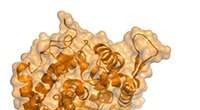
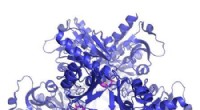
Neutron scattering is a powerful technique that allows scientists to study the structure and dynamics of materials at an atomic level. In the case of antifreeze proteins, neutron scattering experiments have revealed that these proteins have a unique structure that enables them to bind to ice crystals and inhibit their growth. The proteins form a layer on the surface of the ice crystals, effectively blocking their ability to grow and spread.
How Antifreeze Proteins Work
The specific mechanism by which antifreeze proteins inhibit ice crystal growth involves the formation of hydrogen bonds between the proteins and the water molecules on the surface of the ice crystals. These hydrogen bonds prevent the water molecules from attaching to each other and forming a larger ice crystal. By blocking the growth of ice crystals, antifreeze proteins help to maintain the fluidity of the fish's blood and other body fluids, even at extremely low temperatures.
Implications for Human Health
The discovery of the mechanism by which antifreeze proteins work has important implications for human health. Researchers are exploring ways to use this knowledge to develop new drugs and treatments for conditions such as frostbite and organ transplant rejection, where ice crystal formation can cause damage to tissues. Additionally, understanding how antifreeze proteins prevent ice crystal growth could have applications in the food industry and other areas where it is important to maintain the stability of frozen products.
Conclusion
Neutron science has played a crucial role in unraveling the mysteries of how Arctic fish's antifreeze proteins work. By using neutron scattering techniques, researchers have been able to observe the intricate details of the proteins' structure and their interactions with ice crystals. This knowledge has opened up new possibilities for developing treatments for a variety of medical conditions and could have broader applications in fields such as food science and technology.