One of the most common ways that water dissolves stone is through a process called hydrolysis. Hydrolysis is a chemical reaction that occurs when water molecules break down the bonds between the atoms in a mineral. This process is most effective when the water is acidic, as the acidity helps to speed up the reaction.
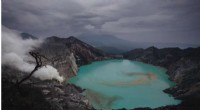
Another way that water dissolves stone is through a process called carbonation. Carbonation occurs when water reacts with carbon dioxide gas to form carbonic acid. Carbonic acid is a weak acid, but it is still strong enough to dissolve many minerals.
The rate at which water dissolves stone depends on a number of factors, including the type of stone, the acidity of the water, and the temperature of the water. Some stones, such as limestone, are more easily dissolved by water than others, such as granite. Acidic water is more effective at dissolving stone than neutral or basic water. And warmer water is more effective at dissolving stone than colder water.
The process of water dissolving stone is a continuous one. Over time, even the most resistant stones will eventually be weathered away. This process is essential for the formation of landscapes, as it helps to create the valleys and mountains that we see today.
In addition to its role in weathering, water also plays a role in the formation of caves. Caves are formed when water seeps into the ground and dissolves the rock. Over time, the water can create large chambers and tunnels. Some of the most famous caves in the world, such as Mammoth Cave in Kentucky, were formed by water dissolving stone.