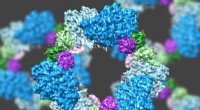
The T6SS is a sophisticated nanomachine composed of multiple proteins that form a needle-like structure. This needle punctures the outer membrane of the bacterial cell, creating a channel through which the waste materials can be expelled. Imagine the T6SS as a miniature syringe that the bacteria use to inject unwanted substances outside of the cell.
Remarkably, the T6SS is highly versatile and can also transport effector proteins into neighboring bacterial cells, allowing bacteria to compete with each other for resources or defend themselves against threats. This dual function of the T6SS as a waste disposal system and a weapon makes it an exciting target for developing new antibiotics.
By understanding how bacteria use the T6SS to take out the trash, scientists can potentially design antibiotics that interfere with this process, leading to the accumulation of toxic waste materials within the bacterial cells and ultimately causing their death. Moreover, since the T6SS is involved in bacterial interactions and competition, disrupting this system could have broader implications for understanding and controlling bacterial communities, including those that cause infections and diseases.