Matisse’s preference for a particular type of yellow pigment, known as cadmium yellow, lies at the heart of this fading issue. Cadmium yellow pigments, which gained popularity among artists in the late 19th and early 20th centuries, offered intense and luminous shades of yellow. Matisse was particularly drawn to the vividness of cadmium yellow and frequently incorporated it into his compositions.
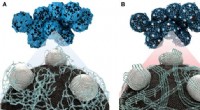
However, cadmium yellow pigments are inherently susceptible to light-induced degradation. When exposed to ultraviolet (UV) radiation, the molecular structure of these pigments undergoes a chemical reaction, causing the yellow color to fade and eventually transform into a beige or brown hue. This process, known as photodegradation, is accelerated by factors such as prolonged exposure to sunlight, intense museum lighting, or improper storage conditions.
Matisse’s use of cadmium yellow in works like “The Dance” (1910) and “The Joy of Life” (1906) exemplifies this fading phenomenon. Over time, the once vibrant yellow tones in these paintings have noticeably dulled, resulting in a significant alteration of the artist’s original color palette.
To mitigate this issue, museums and art institutions have implemented strict lighting and environmental controls to minimize UV exposure and slow down the fading process. Proper storage techniques, such as limiting light access and maintaining stable temperature and humidity levels, are also crucial in preserving the integrity and longevity of Matisse’s works.
Despite the challenges posed by fading pigments, conservators and art experts continue to研究 and develop innovative conservation techniques to preserve Matisse’s legacy and ensure that future generations can appreciate the full brilliance of his creations.